Remove Your Personal Data From Data Broker Sites In A Single Weekend
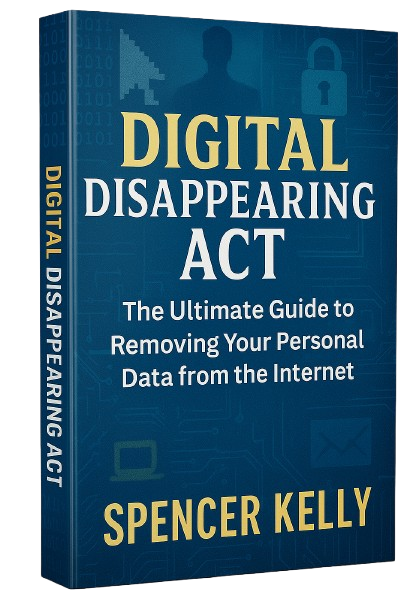
The Digital Disappearing Act System shows you how to find where your home address, phone number and other personal details are exposed online – and how to get them removed and keep them gone, without hiring an expensive data‑removal service.
Data removal services: $300–$1,000+ per year.
Your one‑time access today: $46.97 - $26.97.
Clear, non‑technical instructions with screenshots and copy‑and‑paste templates.
Built for everyday people – you don’t need special software or a security background.
Once you know the process, you can repeat it for yourself and your family whenever you need.
“In two evenings I removed my address and phone from more than 30 sites. I followed the checklist, sent the requests, and the confirmation emails started coming in. It felt good to finally be ahead of this instead of behind it.”
~ Terry
Small‑business owner
Remove Your Personal Data From Data Broker Sites In A Single Weekend
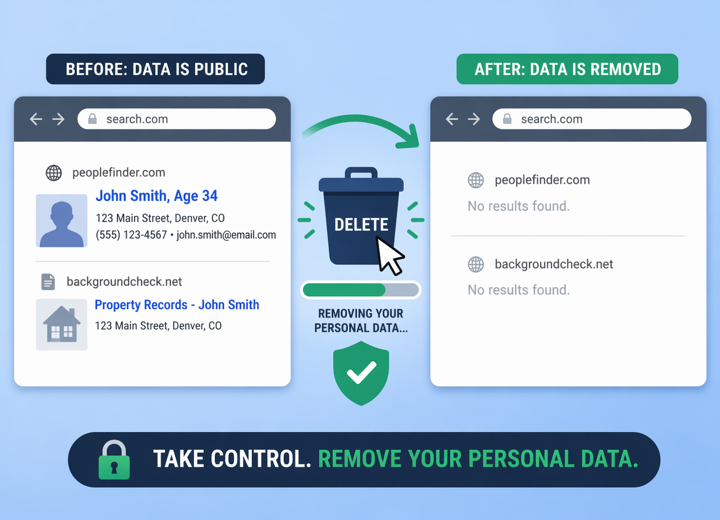
Data brokers and people‑search sites quietly collect and sell your information in the background. Your address, phone number, relatives, workplace and more can be pulled up in seconds by anyone who knows your name.
If you do nothing, that information doesn’t stay in one place – it spreads. New sites copy old databases. Old leaks are repackaged and resold. The longer your data is out there, the harder it becomes to rein it back in.
The Digital Disappearing Act System gives you a practical way to push back. You’ll know where your information is, how to request removals the right way, and how to keep an eye on things so it doesn’t quietly leak out again.
Ignoring your online footprint is the default most people choose – until something happens. A stranger shows up where they shouldn’t. An ex or client brings up details they should not know. A scammer has just enough information to impersonate you.
You can’t control what has already been indexed, but you can control whether it stays there. The sooner you act, the fewer sites you need to tackle and the easier it is to keep things clean.
Why Most Data‑Removal Services Fall Short
They charge high monthly or annual fees and never really stop.
Many focus on a small group of big sites while ignoring dozens of smaller, more aggressive data brokers.
When you cancel, your coverage ends – and your information slowly creeps back online.
Digital Disappearing Act shows you how to handle removals yourself so you’re not stuck paying someone else every year.
Today You Can Get the Entire Digital Disappearing Act System for Only:
That’s less than dinner out. Less than a tank of gas. Less than what data brokers are making off your information!
But the longer your information stays online, the more it spreads.
You can’t control what’s already been indexed. You can control what stays there.
What Other Customers Are Saying
Real people using Digital Disappearing Act to shrink their digital footprint and feel safer.
Terry N.
★★★★★Rated 5 out of 5
“In two evenings I removed my address and phone from more than 30 sites. I followed the checklist, sent the requests, and the confirmation emails started coming in. It felt good to finally be ahead of this instead of behind it.”
Small‑business owner
Caesar Alonso
★★★★★Rated 5 out of 5
“Since most of my work is online, I worry about people knowing where I live. This guide showed me exactly where my information was exposed and how to get it taken down. I sleep better knowing I’ve done what I can.”
Marketing consultant
Jess Smythe
★★★★★Rated 5 out of 5
“I used to pay a removal company every year. After going through this system, I realized I could handle it myself in a more thorough way. My firm recommends Spencer's guide to all our clients as well.”
Attorney
Who Created Digital Disappearing Act?
I’m Spencer, a private investigator who spends a lot of time finding people online and helping good people remove information that puts them at risk. I see both sides of this every week.
This system is the same process I use with real clients, written so you can follow it on your own without PI software, legal training or technical background.
Why it’s different from generic privacy advice
Most privacy tips are either too vague (“use strong passwords”) or written for security professionals. Digital Disappearing Act is built from the perspective of someone who actually tracks people down. You’ll see the common paths and how to close them.
Frequently Asked Questions
How fast will I see results?
Most people start receiving removal confirmations within a few days of sending their requests. Some sites move faster than others, but you’ll see your exposure shrinking quickly once you work through the checklist.
Do I need to be “tech savvy”?
No. The guide is written in plain language with screenshots and exact wording for emails and forms. If you can follow basic instructions online, you can use this system.
Does this work outside the United States?
Many of the major data brokers and people‑search sites covered operate internationally. Most are U.S.‑specific, but the overall process – finding and requesting removal – will still help you reduce your exposure in some countries.
Will this remove every trace of me from the internet?
Nothing can erase every trace of a person online. What Digital Disappearing Act does is drastically reduce your exposure on the large, centralized databases (and the smaller affiliate sites) that make it easy for anyone to find your home address and personal details.
What if a site ignores my request?
Most of the sites have escalation options. Privacy has become a very hot topic amongst regulators. Very few, if any, are ignored.
Can I use this for my family?
Yes. Once you understand the process, you can repeat it for spouses, children or other family members who want less of their private information floating around online.
What exactly do I receive after purchase?
You’ll receive the Digital Disappearing Act System as a digital guide with checklists and templates you can read on any device, along with any bonus materials listed on this page.
Ready To Take Your Privacy Back?
Every day your information sits in data‑broker databases is another day it can be sold, copied or used against you. A few focused sessions with the right process can make a real difference.
For less than the cost of dinner out, you can start removing your data from the places that make it easiest for strangers to find you.